- AR/VR & Immersive Technologies
- Blockchain & Web3
- Career Growth & Professional Mindset
- Certification-Focused Tracks
- Cloud & Infra
- Communication & High-Performance Skills
- Cyber Security & Digital Defense
- Data & AI
- DevOps & Platform Engineering
 Foundation Courses
- Innovation & Strategic Thinking
- Innovation Lab
- IoT & Embedded Systems
- Placement & Internship Programs
- Product & Program Leadership
- Quantum Computing
- Robotics & Intelligent Automation
- Semiconductor & Hardware Technologies
- Software Development & Application Engineering
- Tech Career Launch Tracks (3–6 Months)
Our Top Courses
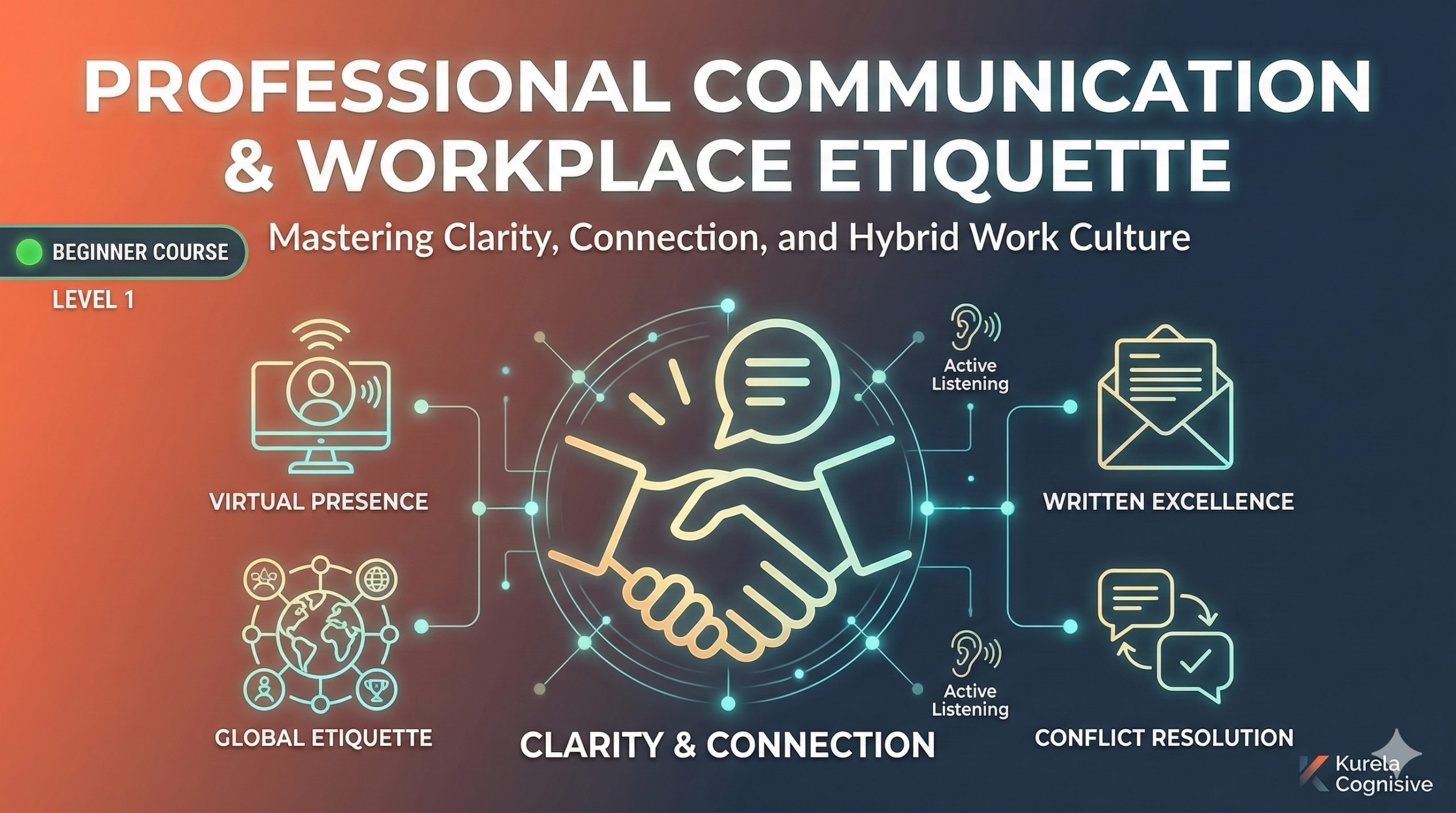
Professional Communication & Workplace Etiquette
Original price was: ₹100.00.₹90.00Current price is: ₹90.00.
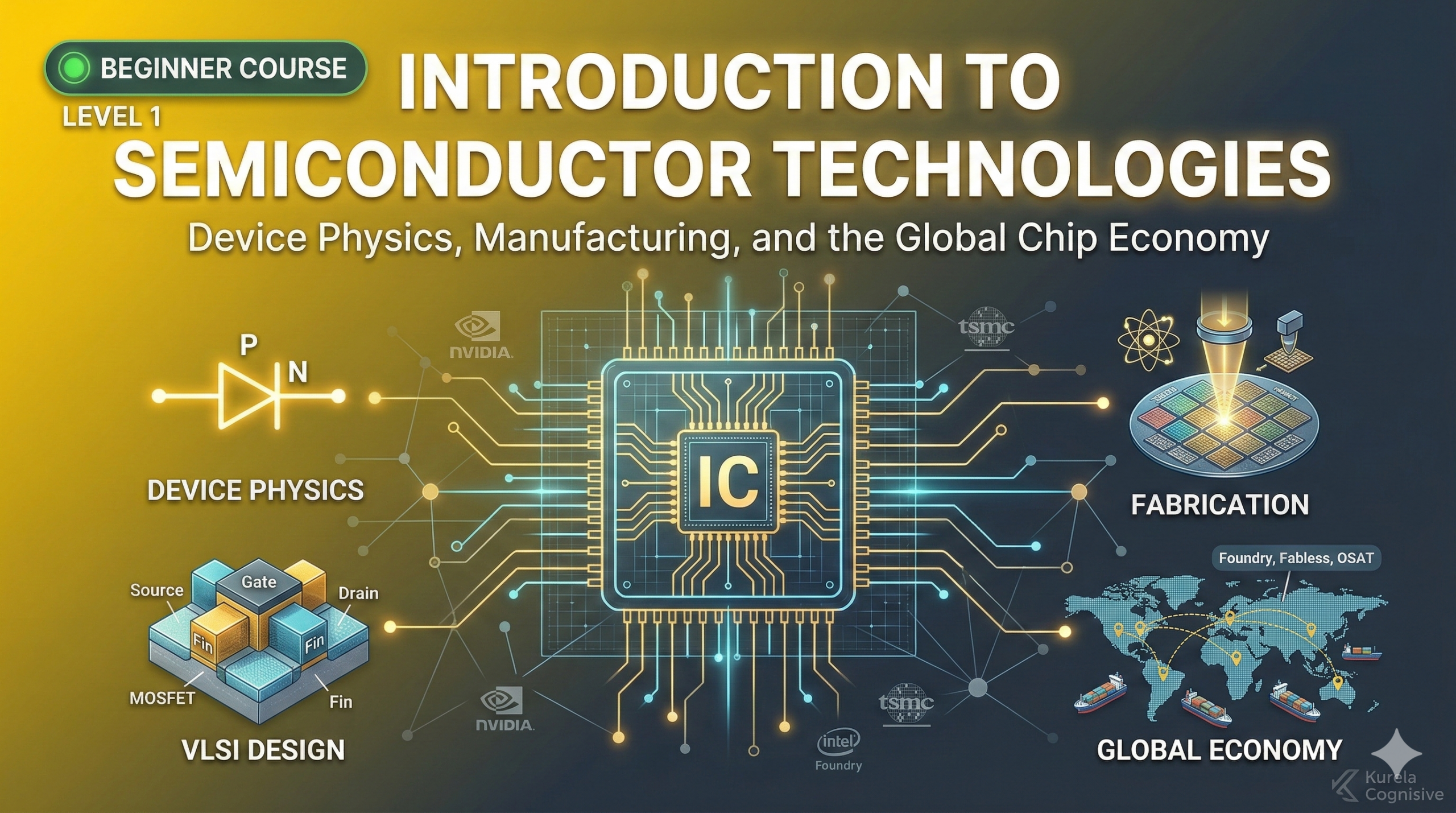
Introduction to Semiconductor Technologies
Original price was: ₹100.00.₹90.00Current price is: ₹90.00.
subsidiary of Kurela Cognisive Pvt. Ltd.

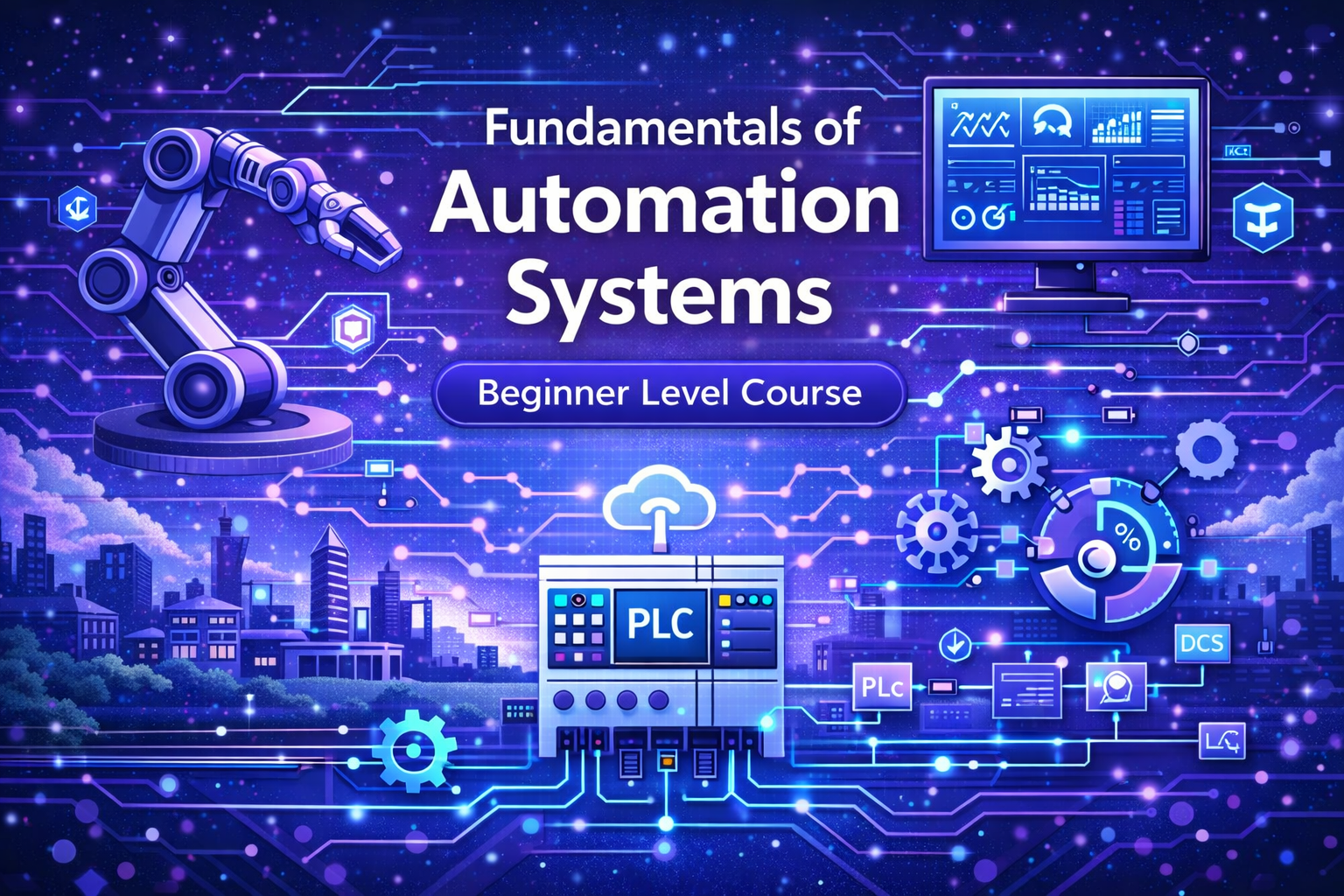
Fundamentals of Automation Systems
Automation systems power the modern world. From manufacturing plants and smart factories to logistics networks and energy systems, automation technologies enable machines to operate efficiently, safely, and with minimal human intervention.
This course introduces the core principles behind automation systems, helping learners understand how machines, sensors, controllers, and software work together to automate industrial and business processes.
You will explore the technologies that drive Industry 4.0, including intelligent control systems, industrial automation platforms, and smart manufacturing environments.
In this course you will learn:
• The fundamental concepts...
0 Student

Original price was: ₹200.00.₹100.00Current price is: ₹100.00.
Course Prerequisite(s)
- Please note that this course has the following prerequisites which must be completed before it can be accessed
-
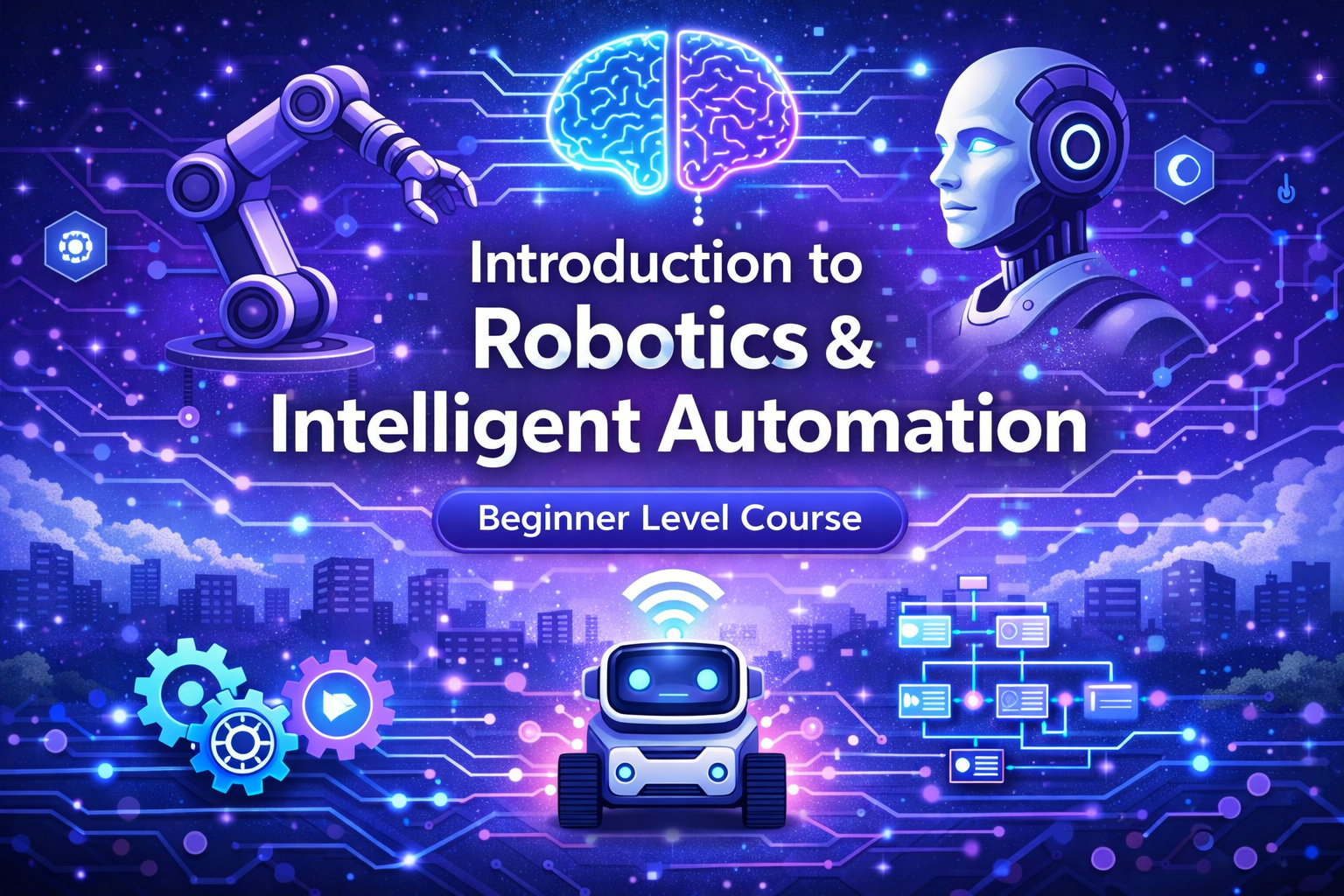 Introduction to Robotics & Intelligent Automation
About Course
Automation systems power the modern world. From manufacturing plants and smart factories to logistics networks and energy systems, automation technologies enable machines to operate efficiently, safely, and with minimal human intervention.
This course introduces the core principles behind automation systems, helping learners understand how machines, sensors, controllers, and software work together to automate industrial and business processes.
You will explore the technologies that drive Industry 4.0, including intelligent control systems, industrial automation platforms, and smart manufacturing environments.
In this course you will learn:
• The fundamental concepts of automation systems and how they work
• The key components of automation including sensors, actuators, controllers, and control systems
• How industrial processes are monitored and controlled using automation technologies
• The difference between open-loop and closed-loop control systems
• How machines communicate and coordinate tasks in automated environments
• The role of PLC, SCADA, and distributed control systems in industrial automation
Why automation systems matter
Automation is the foundation of modern industries such as:
• Manufacturing and smart factories
• Energy and power systems
• Logistics and supply chains
• Infrastructure and transportation
• Healthcare and industrial equipment
By automating repetitive and complex tasks, organizations can improve productivity, safety, quality, and operational efficiency.
By the end of this course
You will have a strong understanding of:
• Industrial automation technologies
• Automation system components and workflows
• Control systems used in automated environments
• The role of automation in smart factories and Industry 4.0
This course also prepares you for advanced topics such as Robotic Process Automation (RPA), Intelligent Process Automation, and Industrial Robotics.
Benefits of the course
- Understand the fundamentals of automation systems and industrial automation
- Learn the core components of automation systems including sensors, actuators, and controllers
- Understand how control systems manage automated processes
- Learn how machines and systems communicate in automated environments
- Understand automation workflows used in industries
- Explore different types of automation used in manufacturing and industrial systems
- Learn how automation improves productivity, safety, and efficiency
- Understand the role of automation in modern smart factories and Industry 4.0
- Gain foundational knowledge required for advanced automation and robotics courses
- Prepare for learning robotic process automation and intelligent automation technologies
Instructor
Original price was: ₹200.00.₹100.00Current price is: ₹100.00.
- Update:March 5, 2026
- Skill LevelBeginner
Your Instructor
Venkat Kurela
- 0 Courses
- 2 Reviews
- 0 Students
Target Audience
- Students interested in automation technologies and robotics
- Engineering and technology students exploring industrial automation
- Beginners who want to understand how automated systems work in industries
- Professionals interested in manufacturing automation and smart factories
- Anyone interested in learning how machines and systems automate industrial processes
Show More
TOP COURSE
More Course By Venkat Kurela
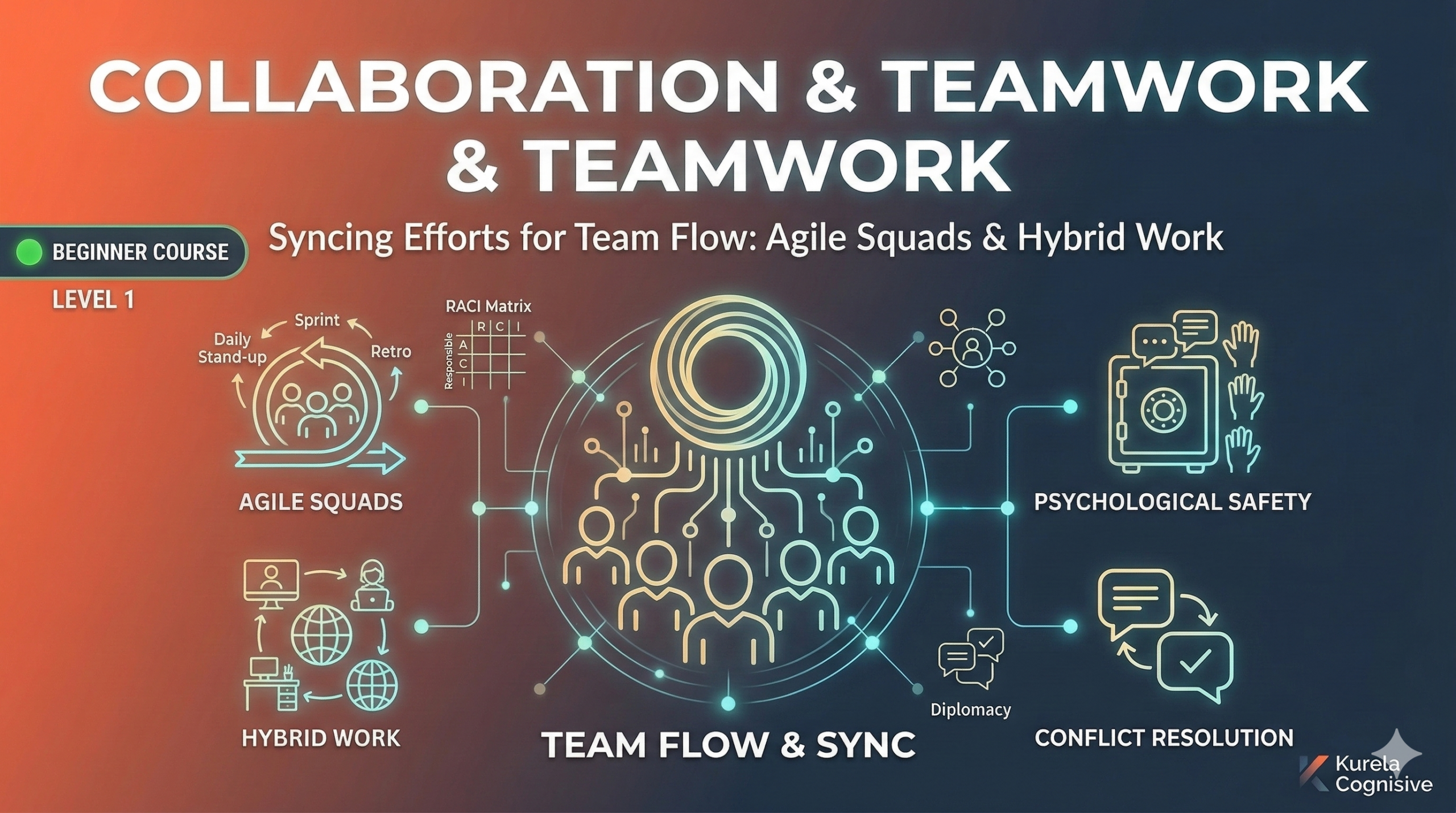
Collaboration & Teamwork
In the complex industrial and tech landscape of 2026, the…
Original price was: ₹100.00.₹90.00Current price is: ₹90.00.
Professional Communication & Workplace Etiquette
In the hyper-automated world of 2026, technical skills get you…
Original price was: ₹100.00.₹90.00Current price is: ₹90.00.
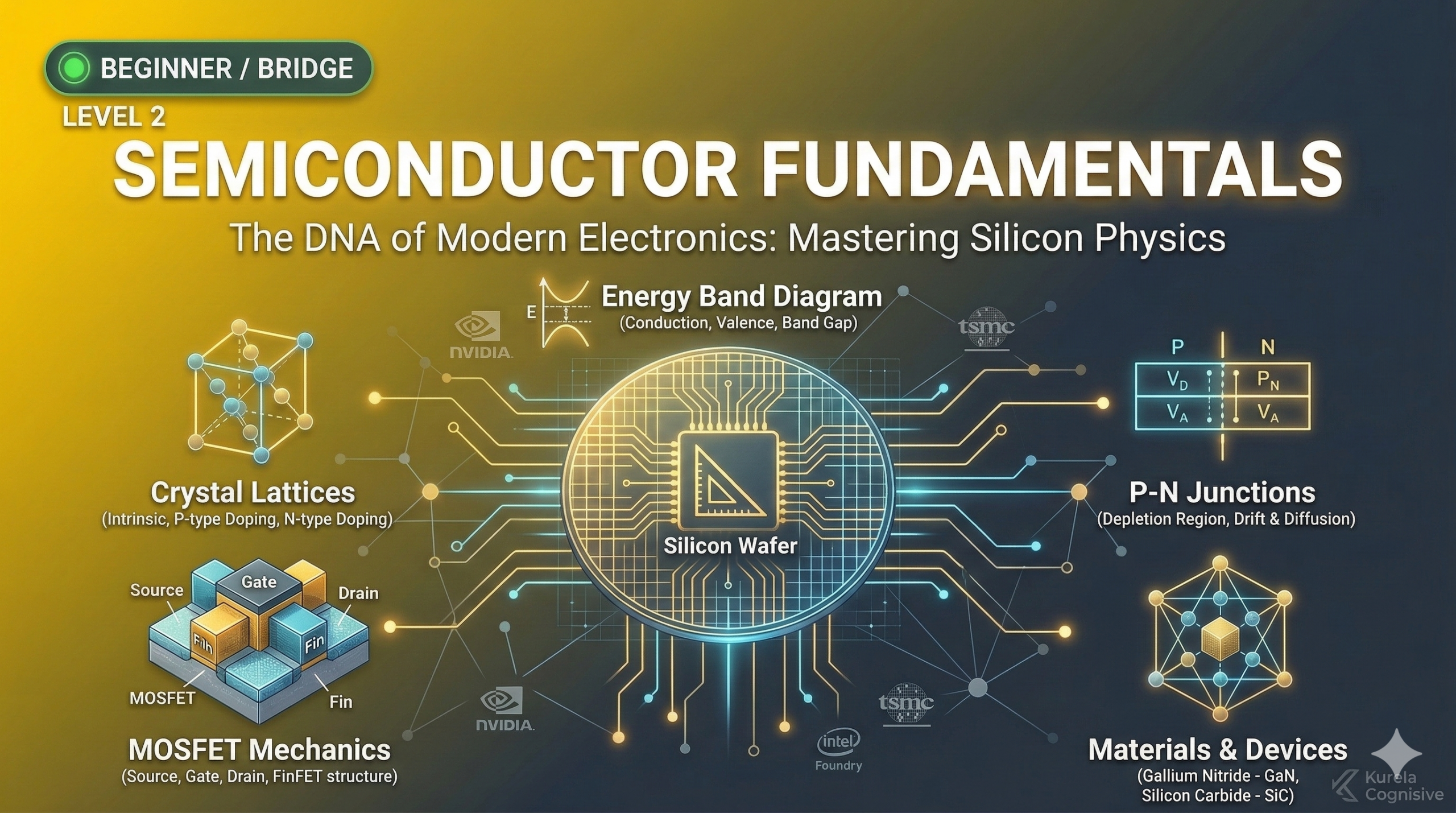
Semiconductor Fundamentals
Master the foundational principles that power the global semiconductor industry.…
Free
Learn More
Explore All Products
Related Course
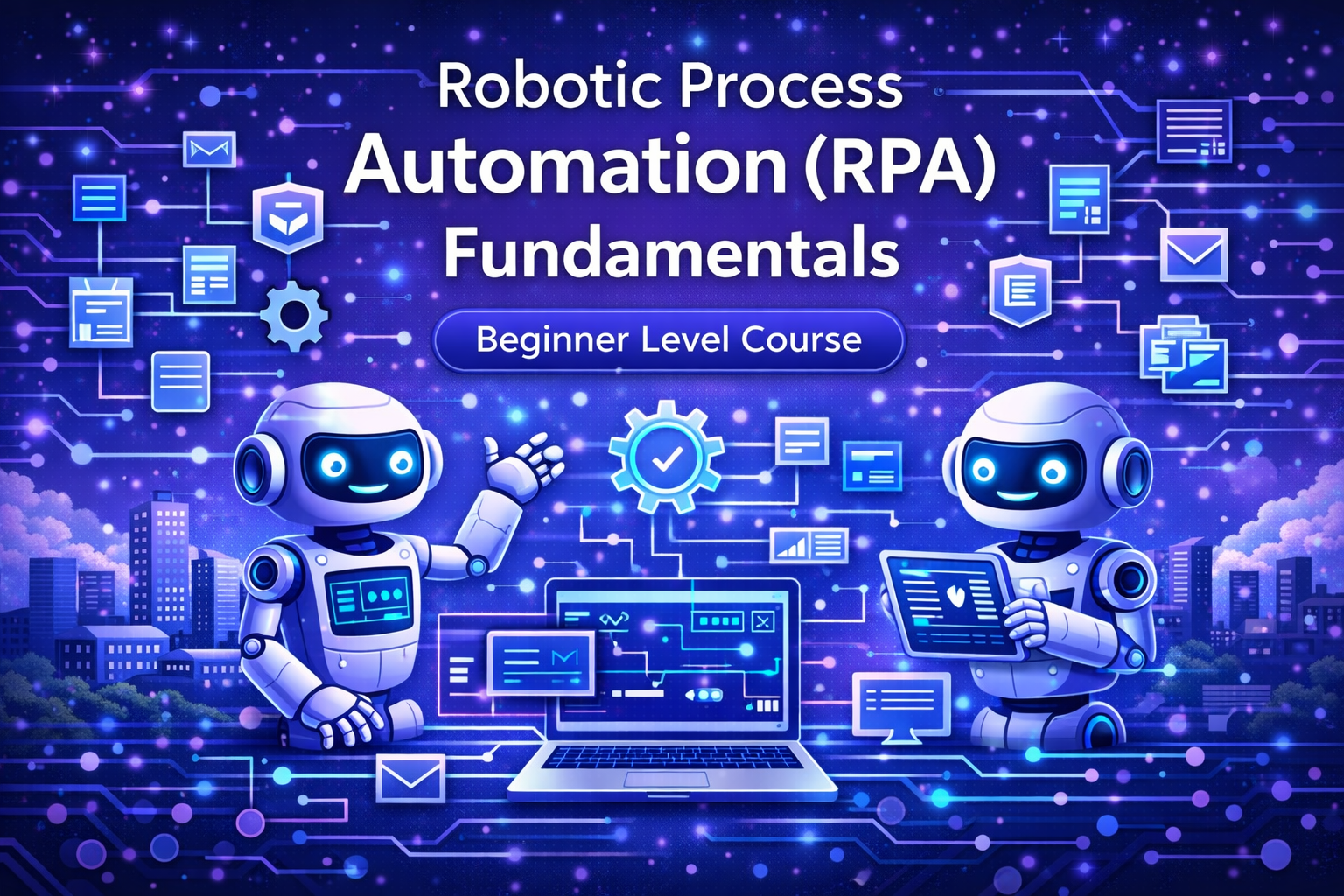
Robotic Process Automation (RPA) Fundamentals
Robotic Process Automation (RPA) is one of the fastest-growing technologies…
Original price was: ₹100.00.₹90.00Current price is: ₹90.00.
Introduction to Robotics & Intelligent Automation
Learn the fundamentals of robotics and intelligent automation, including robotic…
Free
Learn More
Fundamentals of Automation Systems
Original price was: ₹200.00.₹100.00Current price is: ₹100.00.